Product Introduction
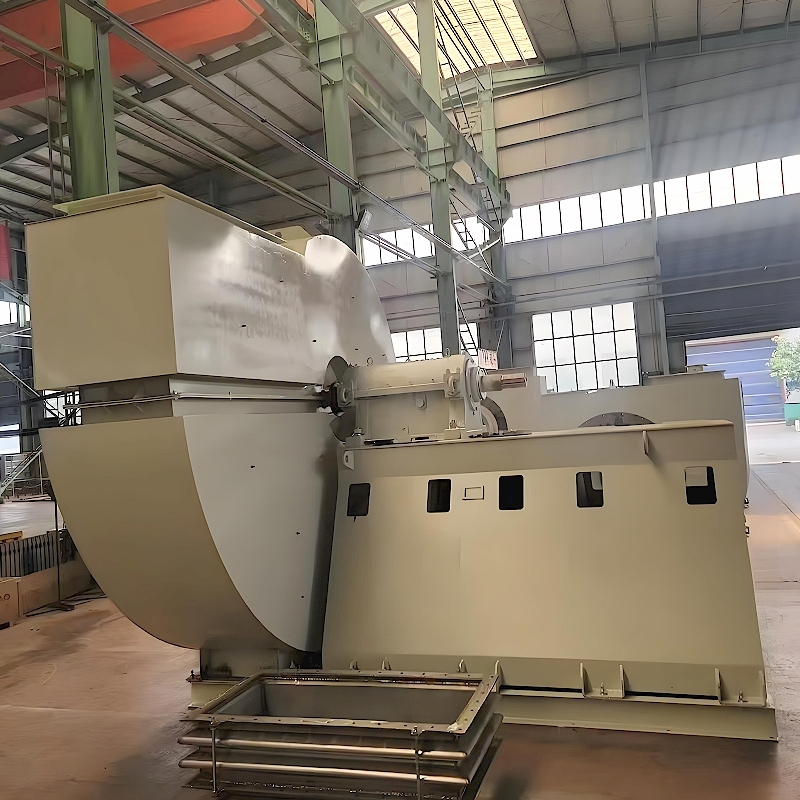
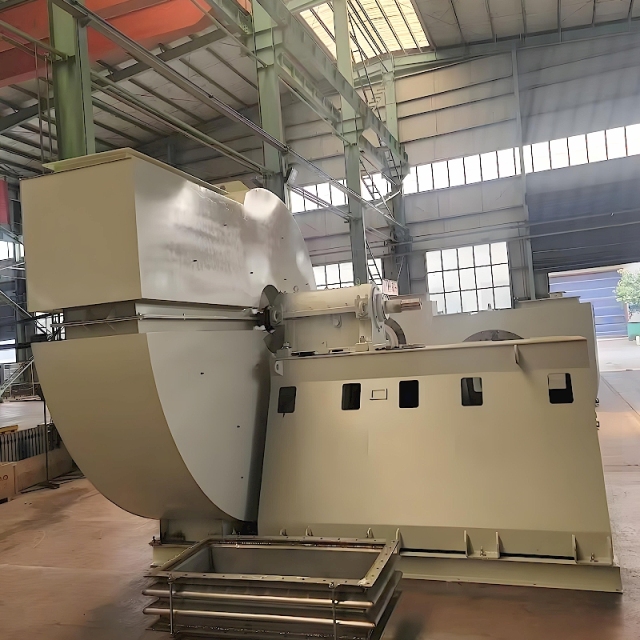
900°C High-Temperature Centrifugal Fan
In industrial sectors such as metallurgy, heat treatment, and ceramic firing, furnace temperatures often soar to 800°C or higher. In such extreme thermal radiation environments, standard centrifugal fans suffer from rapid motor winding insulation aging, bearing grease carbonization and failure, and a drastic reduction in impeller material strength. The 900°C high-temperature centrifugal fan is a specialized solution designed to overcome these challenges in extreme industrial operating conditions.
Material: The First Line of Defense Against Heat
The impeller is the core component in direct contact with the high-temperature airflow; its material determines the fan's maximum temperature limit. Our high-temperature centrifugal fan impellers are manufactured from 310S heat-resistant stainless steel or nickel-based alloys. 310S offers excellent oxidation and creep resistance in continuous high-temperature environments, ensuring stable, long-term operation at 900°C. For flue gas applications with high dust content, the impeller surface can be coated with a wear-resistant tungsten carbide layer, significantly extending service life in abrasive media. The volute casing is also made of stainless steel and wrapped in a thick thermal insulation layer, minimizing the impact of thermal radiation on surrounding equipment and personnel.
Thermal Insulation and Cooling: Protecting the Motor from High Heat
The motor is the "heart" of the fan, yet it is also the component most vulnerable to heat. In 900°C applications, the motor must never be directly exposed to the furnace's thermal radiation zone. Our products utilize an insert-style design: the impeller extends directly into the furnace, while the motor is mounted externally, separated by a thermal insulation mount and a cooling cylinder to provide effective thermal isolation. The thermal insulation housing features a double-walled structure with an insulating air gap between the walls; both inner and outer surfaces are lined with insulation layers, effectively blocking the path of heat conduction toward the motor.
For more demanding operating conditions, a water-cooled bearing housing option is available. Circulating cooling water flows through the bearing housing jacket to remove heat conducted from the main shaft, ensuring the bearing operating temperature remains within a safe range. Certain models also support nitrogen-cooled sealing technology, enabling zero-leakage operation in industrial furnaces with stringent sealing requirements.
Flexible Transmission and Drive Configurations
The transmission method for high-temperature centrifugal fans should be selected based on the furnace structure and operating parameters. Direct-drive configurations are compact and suitable for installations with limited space; coupling drives allow for greater separation between the motor and the fan housing, providing superior thermal isolation; and belt drives facilitate speed adjustment, meeting airflow regulation needs across varying temperature conditions. Regarding motor selection, dual-speed or variable-frequency drive (VFD) motors can be chosen based on specific operating conditions to enable stepless airflow regulation, thereby satisfying process temperature control requirements while achieving energy-efficient operation.
Wide Range of Applications
Centrifugal fans capable of withstanding temperatures up to 900°C perform critical thermal processing tasks across various industries. In the iron and steel sector, they facilitate forced hot-air circulation within annealing and quenching furnaces, ensuring temperature uniformity and enhancing the quality of steel heat treatment. In the ceramics and glass industries, these high-temperature fans provide stable hot-air circulation for kilns, ensuring consistency in the firing process. In the chemical and environmental protection sectors, high-temperature fans are essential for transporting high-temperature flue gases in incinerators and waste gas treatment systems. Additionally, they serve as indispensable components in equipment such as coating lines, continuous drying ovens, and aging furnaces.
Selection Recommendations
When selecting a fan, focus on three core parameters: the actual temperature of the conveyed medium, the required airflow, and the system static pressure. The temperature of the medium directly dictates the material grade and the configuration of the cooling system, while the balance between airflow volume and static pressure influences the selection of motor power. It is important to note that if the conveyed medium contains corrosive components or high concentrations of hard particulates, clients should consult our technical team in advance so that appropriate corrosion-resistant or wear-resistant coatings can be selected. Our team of experienced engineers provides one-on-one selection calculations and customized designs based on specific operating parameters, ensuring optimal fan performance during actual operation.
The centrifugal fan designed to withstand temperatures up to 900°C is a specialized piece of equipment created specifically to address this challenge.
Material: The First Line of Defense Against High Temperatures
The impeller is the core component in direct contact with the high-temperature airflow; its material determines the fan's maximum temperature limit. Our high-temperature centrifugal fan impellers are manufactured from 310S heat-resistant stainless steel or nickel-based alloys. 310S offers excellent oxidation and creep resistance in continuous high-temperature environments, enabling stable, long-term operation at 900°C.
For flue gas applications with high dust content, the impeller surface can be coated with a tungsten carbide wear-resistant layer, significantly extending its service life when handling abrasive media. The volute casing is also made of stainless steel and wrapped in a thick thermal insulation layer, minimizing the impact of thermal radiation on surrounding equipment and personnel.
Thermal Insulation and Cooling: Protecting the Motor from High-Temperature Threats
The motor is the "heart" of the fan, yet it is also the component most vulnerable to heat. In 900°C applications, the motor must never be directly exposed to the thermal radiation of the furnace chamber.
Our products feature a plug-in design: the impeller extends directly into the furnace chamber, while the motor is positioned outside the furnace wall. Thermal isolation between the two is achieved through an insulated mounting base and a cooling cylinder. The insulation cylinder utilizes a double-walled structure with an insulating air gap between the walls; both inner and outer surfaces are lined with insulation material, effectively blocking the path of heat conduction toward the motor. For more demanding operating conditions, a water-cooled bearing housing option is available. Circulating cooling water flows through the bearing housing jacket to dissipate heat conducted from the main shaft, ensuring the bearing operating temperature remains within a safe range. Certain models also support nitrogen-cooled sealing technology, enabling zero-leakage operation in industrial furnaces with stringent sealing requirements.
Flexible Transmission and Drive Configurations
The transmission method for high-temperature centrifugal fans must be selected based on the furnace structure and operating parameters. Direct-drive configurations offer a compact design suitable for installations with limited space, while coupling-driven arrangements allow for greater separation between the motor and the fan housing, providing superior thermal isolation.
Belt drives facilitate rotational speed adjustments, accommodating airflow regulation needs across varying temperature conditions. Regarding motor selection, dual-speed or variable-frequency drive (VFD) motors can be chosen based on specific operating conditions to enable stepless airflow regulation; this satisfies process temperature control requirements while achieving energy-efficient operation.
Wide Range of Applications
Centrifugal fans capable of withstanding temperatures up to 900°C perform critical thermal processing tasks across various industries. In the iron and steel sector, they facilitate forced hot-air circulation within annealing and quenching furnaces, ensuring temperature uniformity and enhancing the quality of steel heat treatment.
In the ceramics and glass industries, these high-temperature fans provide stable hot-air circulation for kilns and furnaces, ensuring consistency in the firing process. In the chemical processing and environmental protection sectors, high-temperature fans are essential for conveying high-temperature flue gases in incinerators and waste gas treatment systems.
Additionally, high-temperature hot-air circulation fans serve as indispensable components in equipment such as coating production lines, continuous drying ovens, and aging furnaces.
Selection Recommendations
When selecting a fan, focus on three core parameters: the actual temperature of the conveyed medium, the required airflow, and the system static pressure.
The medium temperature directly determines the material grade and the cooling system configuration, while the balance between airflow and static pressure dictates the selection of motor power. It is important to note that if the conveyed medium contains corrosive components or high concentrations of hard particles, you should consult our technical team in advance so that a suitable corrosion-resistant coating or wear-resistant overlay can be selected.
Our company boasts a team of experienced engineers capable of performing one-on-one selection calculations and customized designs based on your specific operating parameters, ensuring optimal fan performance during actual operation.