Product Introduction
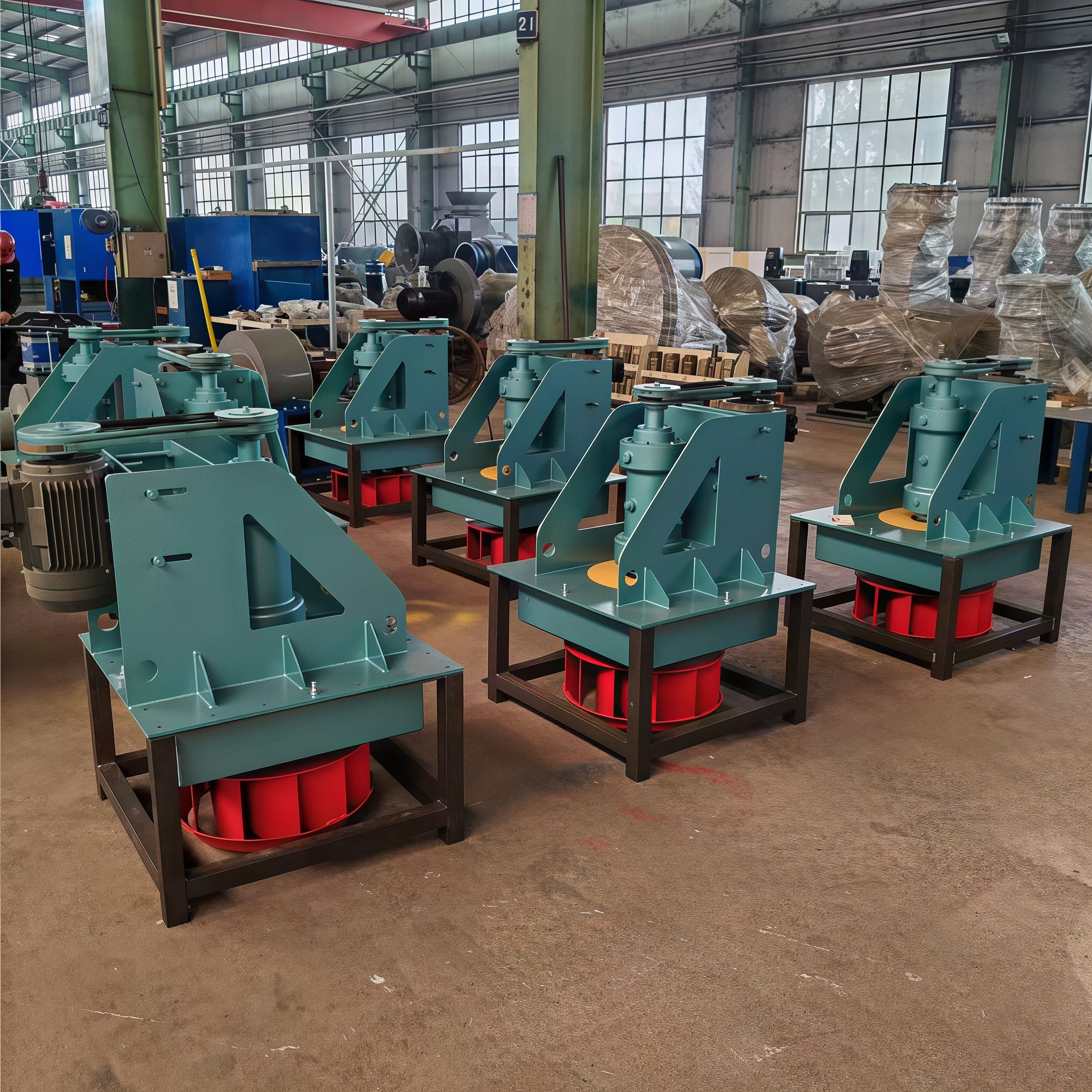
Plug-in High-Temperature Circulation Fan
In industrial heat treatment, drying and curing processes, and high-temperature kiln operations, the uniformity, stability, and energy efficiency of hot-air circulation are critical factors that determine product yield and operational costs. Standard industrial fans often fail in sustained high-temperature environments—experiencing issues such as bearing seizure, impeller deformation, or motor burnout. Plug-in high-temperature circulation fans are specialized equipment designed specifically to address these challenges. By employing a configuration where the motor is positioned externally while the impeller is inserted into the chamber, these fans physically isolate the drive components from the high-temperature zone. Combined with heat-resistant materials and multi-layered thermal insulation and cooling systems, they enable long-term, continuous operation under extreme thermal conditions.
I. How the Plug-in Design Solves High-Temperature Challenges
The core design philosophy of a plug-in high-temperature circulation fan is to keep heat-sensitive components away from the heat source. Using a mounting flange attached to the furnace or duct wall, the impeller is extended directly into the high-temperature working chamber, while the motor, bearing housing, and drive mechanism remain in the ambient-temperature zone outside the unit. This layout fundamentally eliminates the direct thermal impact of high-temperature gases on the motor windings and bearing lubricants.
To further block heat conduction along the main shaft, advanced models typically incorporate multiple layers of thermal protection. Certain patented designs feature specialized heat-blocking impellers or volutes on the main shaft; as the shaft rotates, it drives airflow, creating a dynamic "air barrier" between the insulation layer and the drive side, which effectively lowers the temperature at the drive end. For even higher-temperature applications, water-cooled bearing housings or shafts with internal water-cooling channels are frequently employed. These systems actively maintain the bearings within a safe operating temperature range, preventing the lubricant from liquefying and leaking away due to excessive heat. Impeller materials are selected based on the specific temperature range—ranging from carbon steel and 304/316 stainless steel to heat-resistant alloys like 310S or 253MA. Impellers intended for high-temperature service undergo stress-relief heat treatment to prevent thermal deformation that could compromise their dynamic balance.
II. Key Performance Advantages
High static pressure and high-efficiency aerodynamic design. Plug-in high-temperature circulation fans typically utilize backward-curved impellers—some series feature single-inlet, backward-curved airfoil blades. The backward-inclined exit angle allows for smooth, tangential airflow discharge, enabling the generation of sufficient static pressure even when handling high-temperature, low-density gases, thereby overcoming resistance from furnace ducts, workpiece racks, and heat exchangers. For models designed specifically for industrial furnaces, the airflow capacity can range from 500 m³/h to 500,000 m³/h, with static pressure capabilities spanning 500 Pa to 20,000 Pa—meeting diverse requirements ranging from small ovens to large-scale continuous heat treatment lines. The aerodynamic efficiency of backward-curved impellers remains relatively stable in high-temperature environments, which helps reduce energy consumption during long-term operation.
Plug-in installation contributes to system-level energy efficiency. Conventional external fans require long ductwork to deliver hot air into the furnace chamber, leading to significant heat loss along the path. In contrast, a plug-in fan is mounted directly into the furnace wall; the extremely short air delivery path minimizes both heat loss and airflow attenuation. When combined with a 50–300 mm composite insulation layer (utilizing materials such as aluminum silicate fiber or nano-insulation), the "thermal bridge" effect at the furnace wall opening is effectively mitigated, further enhancing energy utilization.
Ease of maintenance is another key advantage of the plug-in design. When bearings require replacement or the impeller needs inspection, there is no need to dismantle the entire duct system or remove large sections of the furnace’s insulation; the fan core assembly can simply be withdrawn from its mounting position to perform the necessary maintenance. For continuous production lines, this translates to significantly reduced downtime.
III. Key Application Scenarios
Industrial furnaces and heat treatment equipment represent the primary application domain for plug-in high-temperature circulation fans. In heat treatment furnaces—including annealing, aging, and tempering furnaces—these fans facilitate forced circulation of the furnace atmosphere, eliminating "cold spots" (temperature dead zones) and ensuring uniform heating across all parts of the workpiece. For processes sensitive to temperature uniformity—such as the annealing of aluminum coils or the quenching of metal components—the performance of the circulation fan directly influences the consistency of the products' mechanical properties.
Drying and Curing Systems: In applications ranging from coating production lines (for electrodeposition, intermediate coatings, and topcoats) to the drying of chemical raw materials, timber, or food products, plug-type fans force clean, heated air through layers of material or across the surfaces of workpieces, accelerating moisture evaporation and coating curing. For high-temperature zones (200–500°C), impellers made of stainless steel or heat-resistant alloys are recommended to prevent corrosion from volatile substances.
Kiln and High-Temperature Gas Circulation Systems: In tunnel kilns, roller kilns, and waste-heat recovery units used in the ceramics, construction materials, and metallurgical industries, plug-type fans facilitate the circulation and mixing of gases at temperatures ranging from 350°C to 900°C (or higher). In environments containing dust or mildly corrosive substances, impellers and housings can be custom-fabricated from nickel alloys or titanium to extend service life under these extreme operating conditions.
IV. Key Considerations for Selection and Installation
The first step in equipment selection is to determine the actual temperature of the medium, rather than relying solely on the "furnace temperature." The maximum temperature rating on a fan’s nameplate typically refers to the temperature of the medium flowing through it; since there may be a discrepancy between the radiant heat within the furnace chamber and the actual temperature of the flue gas, an appropriate safety margin should be factored into the selection process. Bearing configurations must also be matched to the temperature: air-cooled designs are generally sufficient for the 100–250°C range; for temperatures above 250°C, water-cooled bearing housings or forced-air cooling systems are preferred. At temperatures approaching or exceeding 500°C, a direct-drive configuration with an extended shaft—paired with a high-temperature-rated motor—or a fully water-cooled drive assembly offers a more reliable solution.
During installation, the dimensions of the opening in the furnace wall and the quality of the flange seal directly affect the air leakage rate and the "thermal bridge" effect. Multi-layered, high-temperature-resistant gaskets should be installed at the flange interface, combined with dust-proof and anti-corrosion features at the shaft end, to prevent high-temperature flue gases from seeping along the rotating shaft toward the motor side. Once the fan is in position, the levelness of the main shaft must be verified. The weight of the gas ductwork must not be supported directly by the fan casing. When adjusting the orientation of the air outlet, ensure that the nameplate on the bearing housing remains in a horizontal position to guarantee proper lubrication. During the commissioning phase, bearing temperatures and vibration levels should be recorded under both no-load and loaded operating conditions; these data will serve as a baseline for future preventive maintenance.
V. Conclusion
The value of a plug-in high-temperature circulation fan lies not in the extreme optimization of a single parameter, but in the integration of heat-resistant materials, thermal isolation structures, and aerodynamic efficiency into a reliable, long-term industrial solution. Whether for a 180°C paint-curing line or a 900°C-class heat-treatment furnace, the core of the selection process is to ensure that the medium temperature, bearing cooling method, impeller material, and drive configuration are well-matched—rather than focusing on any one metric in isolation. For those planning a high-temperature hot-air circulation system, or for production lines experiencing frequent fan failures, selecting equipment customized to the specific operational requirements is a critical step toward ensuring continuous production and meeting energy efficiency standards.