Mine ventilation fans are the life-support system of any underground operation. They deliver fresh air to dilute contaminants, remove hazardous gases, and maintain a breathable atmosphere for personnel and equipment. A primary fan failure can lead to rapid deterioration of air quality, accumulation of toxic gases, and in gassy coal mines, an explosion risk. Unlike production equipment, ventilation fans cannot be shut down without consequence—which makes a structured, tiered maintenance program not just a best practice, but an operational necessity.
This guide breaks down the complete maintenance cycle for mine ventilation fans across four intervals: daily, monthly, quarterly, and annual. Each tier builds on the previous one, moving from quick visual checks to comprehensive performance testing and overhaul planning.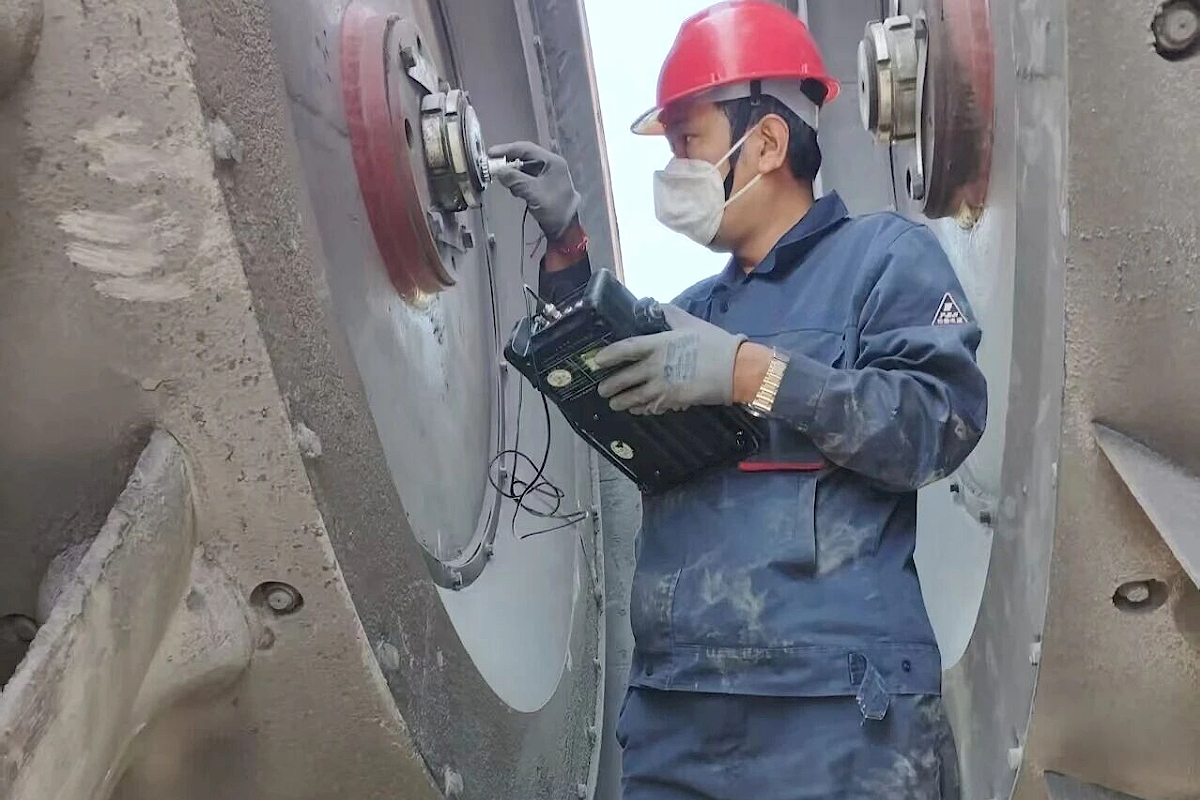
Ventilation is a connected network, not a collection of independent machines. Primary fans set mine-wide airflow, booster fans overcome resistance in deep sections, and auxiliary fans deliver air to dead-end headings. A change or fault in one tier ripples through the others. This interconnectedness means that maintenance must be systematic—catching developing faults early enough to fix them on a planned basis rather than during an emergency.
Regulatory frameworks reinforce this. In the United States, 30 CFR § 75.312 mandates that main mine fan examinations be conducted at least once each day the fan operates, with additional checks every 7 days and 31 days for signal devices. Similar requirements exist across global jurisdictions, and maintaining compliance depends on documented, repeatable maintenance routines.
Daily inspections are the first line of defense. They are typically conducted by fan attendants or designated operators and should take no more than a few minutes when properly systematized.
Visual inspection. Observe the fan for unusual vibrations, loose components, and leaks—oil, water, or air. Listen for abnormal noises such as scraping, grinding, or imbalance sounds. Check for excessive dust accumulation on blades and casing, which can disrupt balance and reduce efficiency.
Instrumentation check. Verify readings on ammeters, voltmeters, pressure gauges (static and differential), vibration monitors, and temperature sensors against normal operating ranges. Record all readings. Trend data matters here: a bearing fault announces itself through a creeping rise in vibration long before it trips the fan.
Control panel and safety systems. Confirm normal status indications, no fault alarms, and control switches in the correct position. Check that all rotating part guards are secure and access ways are clear. Briefly verify backup power source status and communication systems.
Documentation. Under MSHA regulations, persons making main mine fan examinations must certify by initials and date that the examinations were made, and any uncorrected defects must be recorded by the end of the shift.
Monthly inspections are conducted by trained maintenance personnel or supervisors and involve closer examination of mechanical systems that daily visual checks cannot fully assess.
Blade and impeller inspection. Examine fan blades for wear, cracking, and material build-up. Check leading and trailing edges, as well as root attachments, for signs of erosion or fatigue. In high-dust environments, blade cleaning schedules should be adjusted based on dust load—monthly or even weekly for heavy dust conditions.
Lubrication. Check oil levels and grease points; top up as necessary per OEM specifications. Inspect for contamination. Bearings should be checked at least every 2,500 hours of operation—approximately every six months—and grease replaced if degraded.
Belt drives and couplings. Check tension, alignment, and wear on belts, sheaves, and guards. Inspect couplings for condition and secure attachment.
Electrical connections. Visually inspect motor terminals, starter contacts, and control wiring for tightness, discoloration (a sign of overheating), or corrosion.
Ducting and seals. Inspect primary ductwork near the fan for integrity, leaks, and significant damage or corrosion. Verify that all bolts are tightened to manufacturer specifications to prevent airflow short-circuiting.
Functional testing. Where possible, test the operation of dampers, louvres, or variable inlet vanes through their full range.
Quarterly inspections represent a step up in technical rigor, typically performed by qualified engineers or senior technicians. They include all monthly checks plus advanced diagnostic activities.
Vibration analysis. Systematic measurement and analysis using calibrated equipment at defined points—motor bearings, fan bearings, and structural mounts—to detect imbalance, misalignment, bearing wear, looseness, and resonance. Vibration is the most reliable early indicator of developing mechanical faults in rotating equipment.
Thermographic survey. Infrared scanning of electrical connections, motor windings, bearings, and switchgear to identify hot spots that indicate potential failure points.
Performance testing. Quantitative measurement of airflow (typically using pitot traverse or equivalent methods in a straight duct section), fan static pressure, motor power consumption, and fan speed. Compare results against fan curves and previous baseline data to assess degradation or inefficiency.
Blade inspection with NDT. Detailed visual inspection supplemented by non-destructive testing methods—dye penetrant, magnetic particle, or ultrasonic—to detect cracks, erosion, corrosion, pitting, and leading-edge damage.
Bearing assessment. Check for axial and radial play, listen for internal noise, and analyze lubrication samples if a condition monitoring program exists.
Electrical integrity testing. Insulation resistance testing on motor windings and major cables. Functional testing of protective relays, overloads, motor starters, control circuits, and emergency stop systems.
Annual inspections are the most intensive maintenance event in the cycle. They require specially trained personnel—mine engineers, senior electricians, mechanical specialists—and often external expertise for specialized testing such as detailed vibration analysis, thermography, and electrical testing.
Full performance verification. Complete performance testing under controlled conditions, including airflow measurement across the full operating range and comparison against original factory performance curves. Technical assessment should be conducted annually, with full performance testing required every five years.
Bearing replacement planning. In many mine ventilation programs, annual bearing replacement is scheduled based on actual running hours or at approximately 80% of rated bearing life. Bearing operating temperature should not exceed 95°C, and damaged bearings must be replaced immediately.
Blade and shaft flaw detection. Key parts including blades and shafts require annual flaw detection with documented analysis. This includes checking blade angle settings on adjustable-pitch fans and verifying secure attachment to the hub.
Reversal system testing. Reversible air systems must be capable of changing airflow direction within 10 minutes. A full reversal test is required once a year.
Structural inspection. Close examination of fan casing, supports, anti-vibration mounts, anchor bolts, and foundation for cracks, corrosion, fatigue, or deformation.
Compliance documentation. Update all maintenance logs, performance records, and flaw detection reports. Under MSHA requirements, records must be retained at a surface location at the mine for at least one year and made available for inspection.
A well-maintained fan is only as reliable as the spare parts available to support it. Best practice calls for keeping critical spare parts on hand to minimize downtime in the event of a failure and avoid rush rebuild orders. For collieries, 100% spare equipment availability is often stipulated, with replaceable active parts—impellers, actuators, and key electrical components—kept on site and ready for automatic or manual changeover.
Inventory should be reviewed quarterly alongside maintenance activities to ensure alignment with actual consumption and evolving operating conditions.
Every inspection tier generates records that serve both operational and regulatory purposes. Shift logs, inspection records, repair logs, and test documentation must be maintained and accessible. Technical files should include drawings, performance data, and flaw detection results for critical components. Circular main mine fan pressure recording charts must be changed before the beginning of a second revolution, and electronic certifications must be secure and not susceptible to alteration.
Daily checks catch obvious abnormalities and maintain instrumentation baselines.
Monthly inspections address lubrication, blade condition, and mechanical wear before they escalate.
Quarterly condition monitoring—vibration analysis, thermography, and performance testing—identifies developing faults weeks before failure.
Annual overhauls verify full-system performance, replace wear components on a planned basis, and satisfy regulatory documentation requirements.
Spare parts inventory and compliance records are not afterthoughts; they are integral to a functional maintenance program.
A disciplined maintenance cycle transforms ventilation fans from a liability into a dependable asset. The goal is always the same: catch a developing fault early enough to fix it on a plan—never on an emergency.